According to the Food Standards Agency, more than 8,000 restaurants in a single year failed their food hygiene inspection outright, with dirty kitchens, cross-contamination and unsafe food storage temperatures cited as the most common causes. In the most serious cases, premises were closed down entirely.
This guide brings together everything you need to know about restaurant and commercial kitchen cleaning. We’ll cover the hygiene principles that determine your Food Hygiene Rating, how to build a cleaning schedule that actually works under pressure, how to clean every part of a kitchen properly, and which equipment does each job best.
Why food hygiene matters for your business
Food hygiene compliance is built around HACCP, which stands for Hazard Analysis Critical Control Point. It's a systematic quality tool designed to identify and control the points in food handling and preparation where contamination is most likely to occur, with the aim of protecting customers from illness or injury. HACCP guidelines apply across the whole premises, covering kitchens, storage rooms and refrigeration areas, as well as the surfaces, walls, machines and equipment within them.
Poor hygiene doesn't just risk a low Food Hygiene Rating, customers notice too. It risks making people ill, damaging your reputation and, in the most serious cases, closing your business down. On the other hand, visible cleanliness genuinely influences where people choose to eat. With three in four diners actively avoiding restaurants linked to hygiene problems, the standard of your kitchen has a direct line to your bottom line.
The 4 Cs of food hygiene
Environmental Health Officers and food safety guidance consistently come back to four core principles, often referred to as the 4 Cs: cross-contamination, cleaning, chilling and cooking. Getting each one right is the foundation of a good Food Hygiene Rating.
Cross-contamination
Cross-contamination happens when bacteria spreads between different foods, surfaces or pieces of equipment, and it's one of the most common causes of food poisoning. It's a serious risk for allergy sufferers too. If someone with an allergy consumes food that's come into contact with an allergen through poor separation, the consequences can be severe.
To reduce the risk of cross-contamination, make sure kitchen staff wash their hands before and after handling food, keep raw and ready-to-eat foods completely separate, and adopt a colour-coded system for equipment such as knives and chopping boards, so items used for raw meat are never used for food that's ready to eat. All staff should be trained to understand exactly why these steps matter.
Cleaning
Cleaning removes visible dirt, product residue and microorganisms from surfaces and equipment. It's the first step in stopping harmful bacteria from spreading and needs to happen consistently, not just at the end of a shift.
Work surfaces, chopping boards and equipment should be cleaned and disinfected both before and after use, and staff should be encouraged to clean as they go throughout service rather than letting mess build up. Using the right tool and the right cleaning agent for each specific task, and following the instructions on any product packaging, makes a real difference to how effective this cleaning actually is.
Chilling
Correct chilling stops bacteria multiplying to dangerous levels. Food needs to arrive cold and stay that way, so check deliveries on arrival, put chilled and frozen items away immediately, and inspect fridges and freezers regularly to confirm they're running at a safe temperature.
Cooking
Thorough cooking kills the bacteria that chilling alone can't eliminate. Foods need to be cooked to the correct temperature and any specific guidance followed closely. Burgers, sausages and minced meat, for example, must not be served pink or rare unless FSA guidelines for that specific product have been followed.
Cleaning vs disinfection: what's the difference?
Cleaning removes dirt, food residue, microorganisms and any leftover product from previous cleaning or disinfecting. Disinfection is the chemical or physical process that eliminates the microorganisms cleaning leaves behind, carried out in a way that doesn't create a health risk or damage the food being prepared.
For food-contact surfaces, the order matters: always clean first, then disinfect. After disinfecting, rinse with clean water to remove any chemical residue before the surface comes back into contact with food.
Building a commercial kitchen cleaning schedule
There's no single schedule that fits every kitchen, but every effective one shares the same structure: clear routines that staff can follow even when service is at its busiest. A written cleaning schedule should set out what needs cleaning, when it needs to happen, what to clean it with (including the correct product and dose), and who's responsible for the task. Keeping a signed log against each entry gives you both accountability and evidence if an inspector asks to see it.
Most professional kitchens split this into three levels.
- Daily cleaning covers food safety and immediate hazards, and happens throughout the day rather than being left until closing. This includes disinfecting food preparation surfaces, washing chopping boards, utensils and small equipment, cleaning sinks and taps, wiping down cooking equipment exteriors, emptying bins, dealing with spills as they happen, and sweeping or scrubbing floors where needed. Leaving all of this to the end of a shift tends to produce rushed, incomplete cleaning that creates problems the next day.
- Weekly cleaning targets the grease and dirt that daily cleaning doesn't reach. This includes cleaning walls, doors and splashbacks, properly degreasing equipment surfaces, cleaning inside fridges, freezers and dry storage, washing floor edges, corners and drains, and cleaning ventilation filters.
- Deep cleaning covers the areas that simply can't be cleaned properly during service: behind and underneath equipment, high-level surfaces, and the extraction system. Most commercial kitchens need a full deep clean every few weeks, and high-volume kitchens, particularly those using fryers or handling raw meat, often need it more frequently. Your schedule should take account of your inspection history and current Food Standards Agency guidance.
How to clean specific areas of a kitchen
Different surfaces and equipment need different techniques. Here's how to approach the main areas of a commercial kitchen properly.
Walls and tiles
Most commercial kitchen walls are tiled or otherwise protected, which makes them well suited to high-pressure cleaning with a foam nozzle or cup foam lance. The cleaning product and air combine in the nozzle to create a foam that's applied to the wall from a distance of around one to two metres, working from bottom to top with a wide ejection setting. This lets you see exactly where the product has been applied, and because foam clings to the surface longer than a liquid cleaner, it has more time to work. Apply only what you need for the area you're cleaning, since excess foam simply slides down and pools on the floor.
It's good practice to alternate between acidic and alkaline cleaning products, as this removes a wider range of microorganisms than sticking to one type. If you're using an acidic cleaner, rinse tile joints with water first, otherwise the acid can soak into the grouting and cause damage over time.
Machines and equipment
Larger equipment such as ovens, dishwashers and hobs often needs high-pressure cleaning or steam to get properly clean. A high-pressure gun cleans efficiently without soaking the operator, and where electrical components are nearby, a short lance or spray unit with a power nozzle gives much better control.
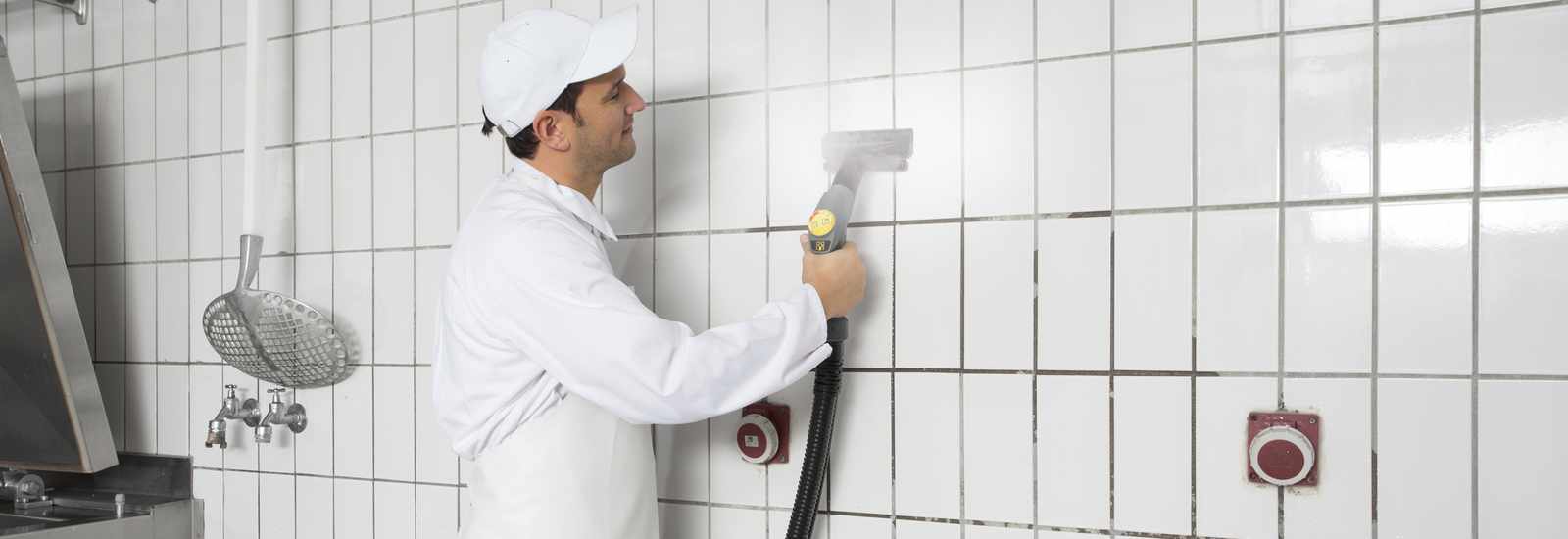
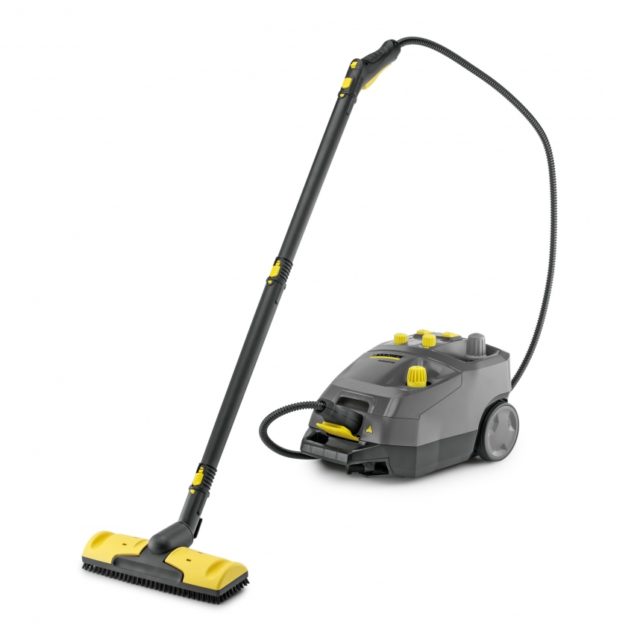
Steam cleaners are particularly effective here. Steam exits in fine droplets at around 100 degrees Celsius, at a pressure of 3 to 4 bar, and travels at speeds of up to 170km/h, letting it reach into crevices and folds that other methods can't. This makes steam ideal for dishwasher and cooker front panels, control knobs, grooved surfaces and fridge or freezer interiors. Many industrial steam cleaners also offer a chemical-assisted option for heavily soiled areas, with some models featuring a self-rinsing programme that removes dirt as it cleans.
Reduced pressure should always be used near sensitive electrical components to avoid damage, and manufacturer guidance should be followed closely whenever electrical equipment is involved.
Floors
Kitchen floors need to be properly clean and they need to stay safe while you're cleaning them. Most modern commercial kitchens already have anti-slip flooring and displacement nubs to reduce water pooling, but the cleaning method matters just as much as the surface itself.
A surface cleaner with a rotating nozzle bar is one of the most effective tools for the job. Offset nozzle positions apply water at high pressure while removing dirt, and a bristle ring stops water spraying up onto walls and fittings.
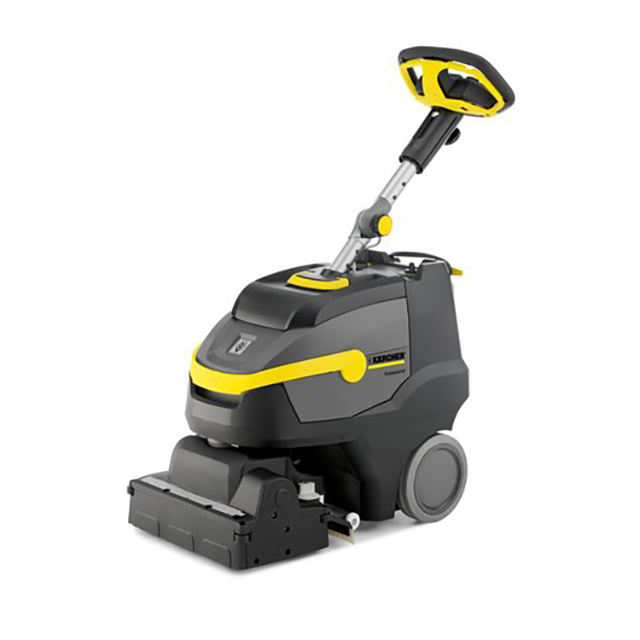
Scrubber dryers are also widely used on kitchen floors, either as single disc or roller machines. Single disc scrubbers need to be moved from side to side constantly, which is more demanding on the operator. Roller machines use counter-rotating rollers, which are easier to control and less likely to damage surrounding surfaces. Their high contact pressure allows for genuinely deep cleaning, including in crevices and awkward corners, and because dirt doesn't stick to the rollers at speed, results stay consistent. Compact models with a suction function reabsorb dirty water as they go, leaving the floor instantly dry and safe to walk on.
Floor edges, corners and drains deserve regular attention too, as these are frequently flagged during inspections and are easy to overlook in a standard mopping routine.
Cleaning extraction systems and kitchen hoods
Kitchen hoods and extraction systems are among the most common problem areas during inspections, and it's easy to see why. Even when the canopy looks spotless, grease continues building up inside the filters and ducting where it isn't visible.
As a general guide, heavy-use kitchens should have their hoods cleaned every one to three months, moderate-use kitchens can typically stretch to every three to six months, and filters usually need cleaning weekly, more often during particularly busy periods.
Wet and dry cleaning methods for food production
Larger food production and processing environments, such as meat and poultry facilities, bakeries and dairies, face additional hygiene demands beyond a standard restaurant kitchen, and often combine two distinct cleaning approaches.
Wet cleaning is the standard method for surfaces and machinery that come into direct contact with food. It follows a defined sequence: removing water-sensitive components first, pre-rinsing to dislodge loose debris, applying a foaming detergent and allowing it to work, rinsing thoroughly, then sanitising with either chemical agents or steam.
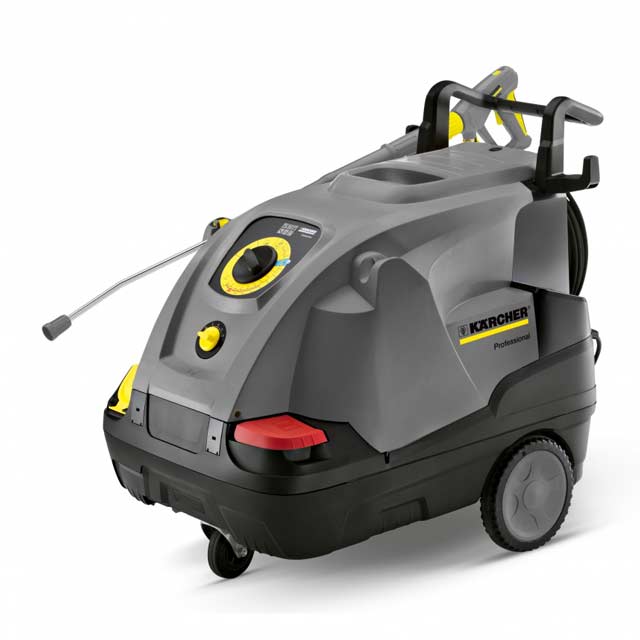
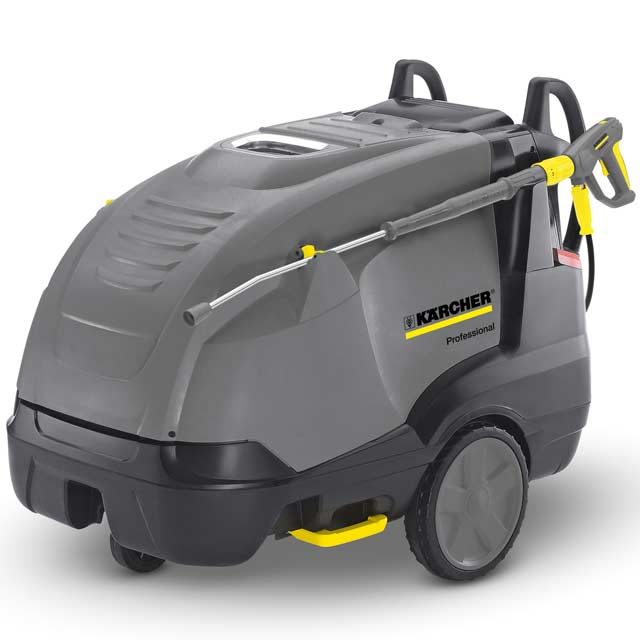
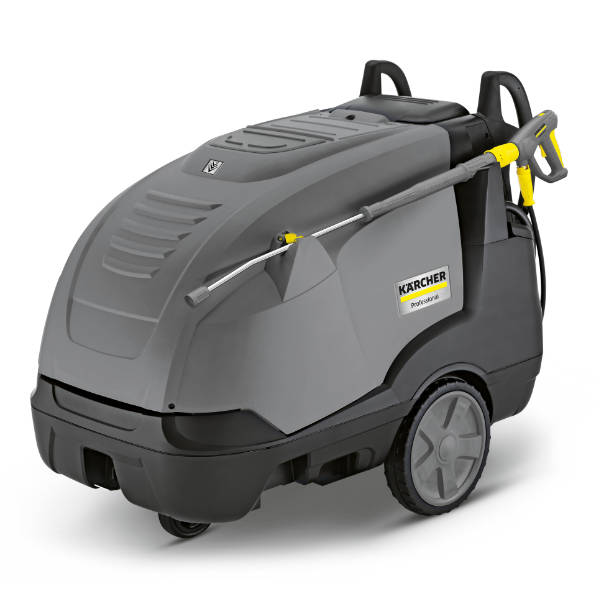
Hot water high-pressure cleaners capable of reaching very high temperatures make this process considerably more effective, cutting through fats, proteins and oils that cold water struggles with, reducing working time significantly, and lowering bacteria counts while reducing reliance on chemical disinfectants. This is especially valuable in meat and poultry processing, where contamination risks are high and compliance standards are strict.
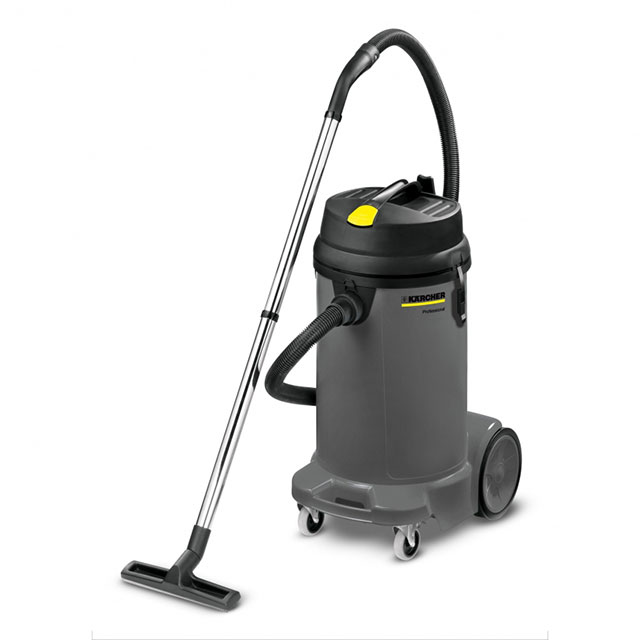
Dry cleaning is the better option wherever water exposure could cause damage or disruption, such as in bakeries or around electrical systems and sensitive machinery. Dry ice blasting uses solid CO2 pellets, at around minus 79 degrees Celsius, to remove dirt and residue without introducing any moisture at all. Vacuum extraction handles fine dust particles such as flour or sugar effectively, while dry steam cleaning combines high temperatures with precision to sanitise surfaces without any risk of water damage. Dry cleaning methods are particularly effective in bakeries and confectionery production, where flour dust and sticky residues can otherwise cause blockages and contamination.
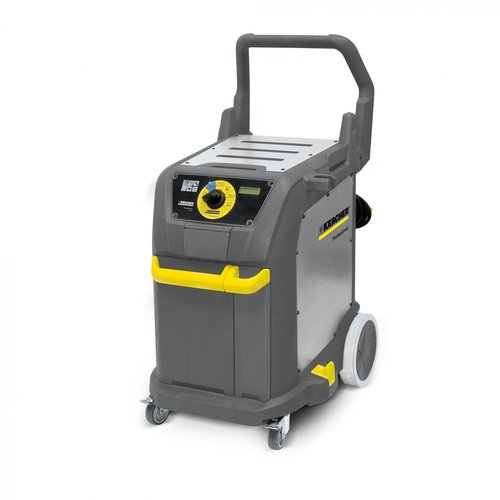
Some production environments also use inline cleaning, where steam combined with vacuum and extraction functions sanitises equipment without needing to dismantle machinery or halt the production line. This is particularly valuable in high-risk environments, where it maintains compliance without the extended downtime that traditional stop-and-strip cleaning requires.
Don't forget the front of house and restrooms
Bars, tables and chairs should be cleaned thoroughly and regularly, since you have far less control over customer behaviour than staff behaviour, and dirt and germs can spread from front-of-house areas back towards food preparation just as easily as the other way round.
Restrooms deserve particular focus. Although no food is cooked or served there, they're a natural breeding ground for bacteria, and germs picked up from dirty floors or unsanitised surfaces can easily be carried into the rest of the restaurant. An hourly visual check keeps standards visible throughout service, alongside a thorough clean once or twice daily and a member of staff on call for anything urgent. This matters commercially too. Research shows 58% of diners consider washroom cleanliness an important part of their overall dining experience, and 63% say their reviews are negatively affected by poor washroom hygiene.
Training staff properly ties all of this together. Every member of the team should understand exactly what's expected of them, with regular checks to confirm guidelines are actually being followed, and a clear understanding that hygiene standards exist to protect people, not just to satisfy an inspector's checklist.