In this guide, we explain how to manage construction cleaning effectively, from keeping a building site clean during active work to maintaining plant machinery and choosing the right construction cleaning equipment. We also cover why good housekeeping matters on site and how simple routines can make a big difference.
Why Construction Cleaning Matters
Cleaning plays a big role in how safely and efficiently your site runs. Poor housekeeping is one of the most common causes of slips, trips and falls on construction sites, which remain a leading cause of non-fatal injuries across the industry.
A clean site is also easier to work on. Clear access routes reduce delays, clean equipment performs better and lasts longer, and good dust control improves visibility and air quality. Together, these things help you stay on schedule and avoid downtime you didn’t plan for.
Keeping a site clean isn’t about perfection, it’s about control. Knowing where tools, materials and waste are, and dealing with dirt and hazards before they become problems.
How to Keep a Building Site Clean
The most effective construction site cleaning starts with simple, repeatable habits. When everyone knows what’s expected, sites stay safer and more organised.
Store tools and materials properly
When tools get left lying around, accidents become more likely and work slows down. Set up clear storage areas and make it standard practice to return tools after use. You’ll keep walkways clear and cut down on time wasted searching for equipment.
Create designated waste areas
Construction creates a lot of waste. Without clear disposal points, it spreads quickly across work areas. Designated waste zones keep the site organised and make disposal safer and faster.
Where possible, separate waste types. You’ll reduce clutter and make clean-up easier later in the project.
Keep access routes clear
Walkways, entrances and exits need to stay clear at all times. This matters for daily movement and for emergency access.
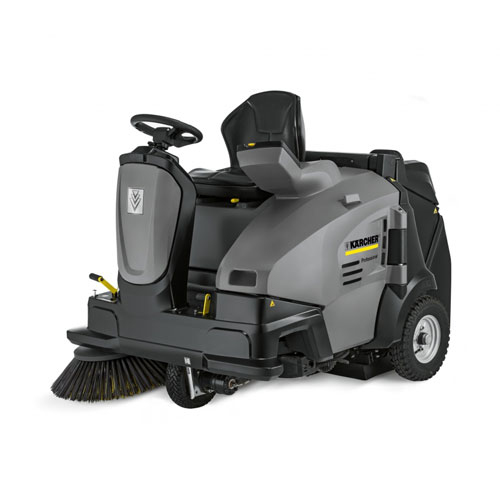
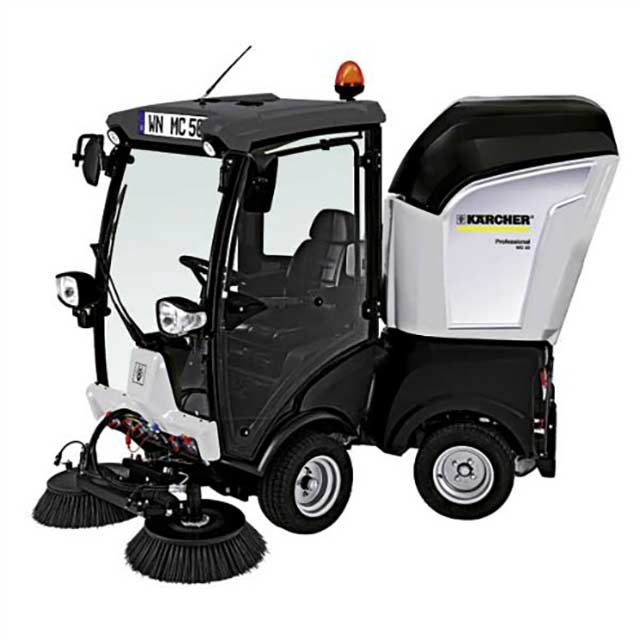
Check routes regularly to make sure materials, waste or equipment haven’t crept into them. On larger sites and outdoor areas, sweepers such as the KM 100/100 help you clear dust, rubble and loose debris efficiently.
Control dirt, mud and residue
Mud and site residue spread quickly, especially in wet weather. Once tracked across floors or into buildings, they become harder to manage.
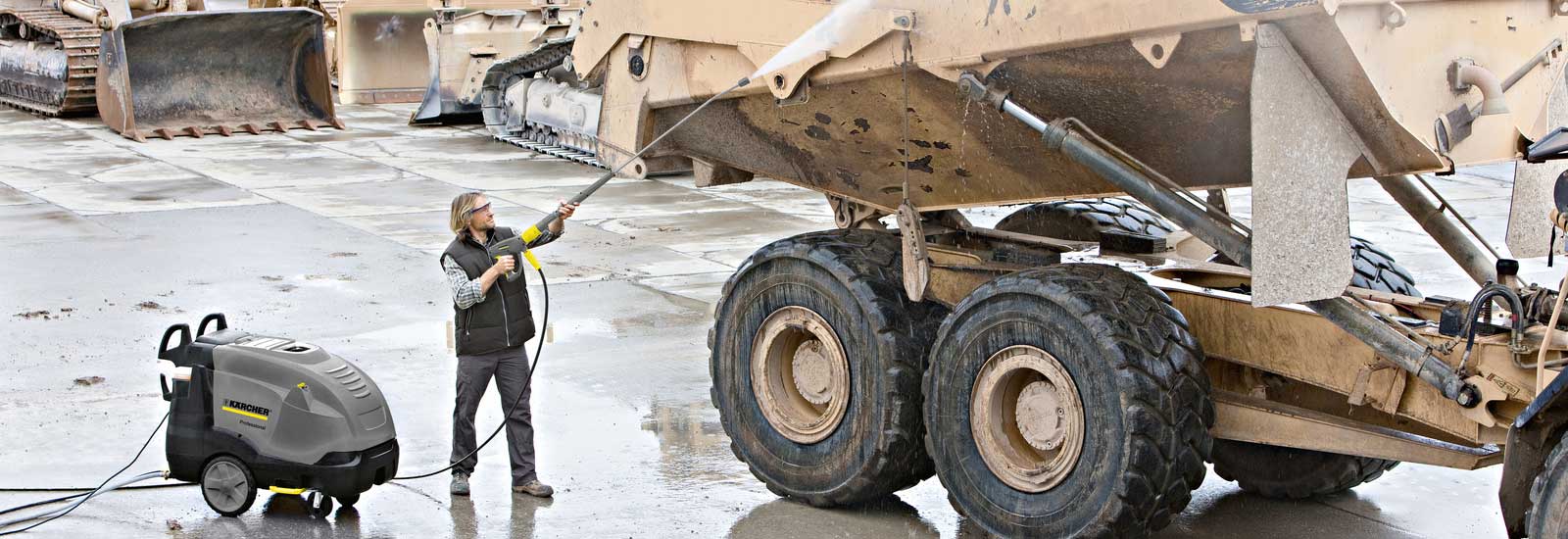
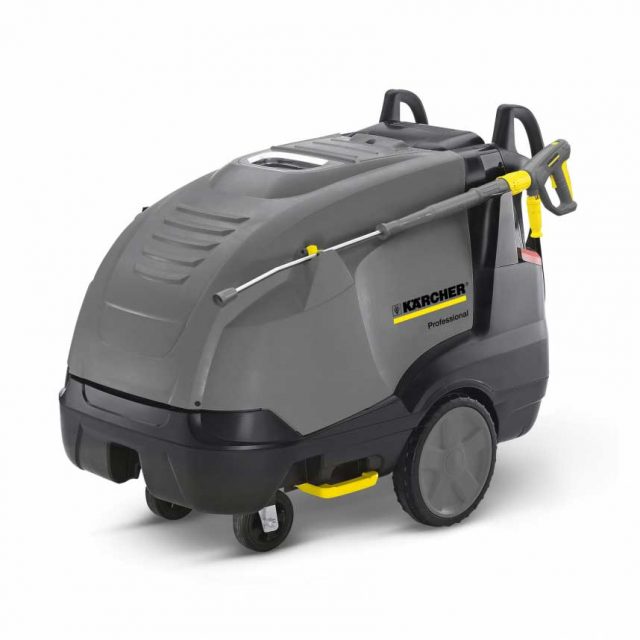
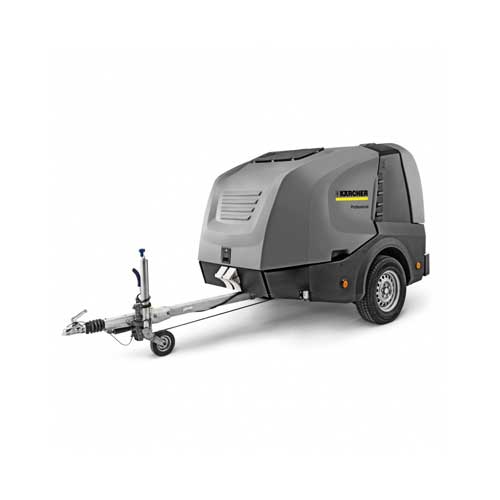
High-pressure cleaning helps you stay on top of this. Trailer-mounted pressure washers, such as HDS trailer units, remove heavy dirt, concrete splatter and grease from hard surfaces, access routes and equipment.
Cleaning construction plant and machinery
Plant and machinery cost money to run and replace. If you let dirt, oil and residue build up, you increase wear, overheating and the risk of breakdowns.
Regular plant machinery cleaning helps you:
- Keep equipment safe to operate
- Reduce repairs and downtime
- Spot issues earlier during inspections
- Extend the life of your machinery
High-pressure washers work well for cleaning diggers, mixers, trucks and tools. Hot and cold water systems remove stubborn contamination without damaging components, often without the need for detergents.
Managing dust and hazardous materials
Dust is a constant issue on construction sites. Cutting, drilling and sanding release fine particles that affect air quality and visibility.
Good dust control protects workers, reduces clean-up time and stops dust settling on surfaces and materials. Extract dust at source where possible. Use suitable vacuum systems instead of dry sweeping, which only spreads particles around the site.
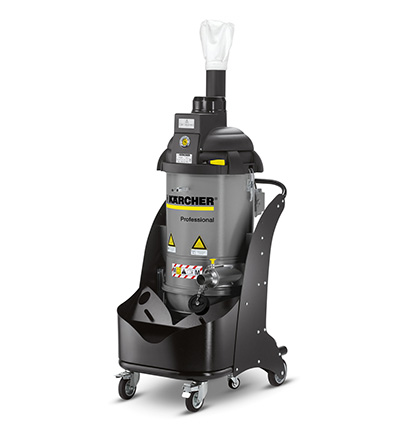
If hazardous materials are present, use safety-rated vacuum systems. These allow you to remove and dispose of dust in line with industry requirements.
Cleaning floors and welfare areas on site
Floors on construction sites and in welfare areas collect dust, grit and residue quickly. Manual mopping often spreads dirt and leaves floors wet, increasing slip risk.
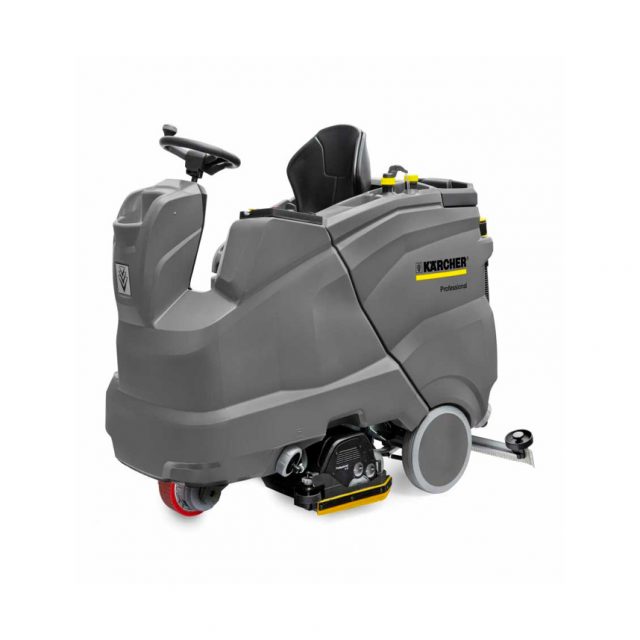
Scrubber dryers offer a better solution. Machines such as the B 60 scrubber dryer clean and dry floors in one pass, making them suitable for:
- Concrete floors
- Temporary site flooring
- Welfare facilities and site offices
Because floors dry quickly, you can clean with minimal disruption to site activity.
Managing water, mud and flooding
Standing water and excess mud can stop work and damage materials if you don’t deal with it quickly. Water-recovery vacuum systems help you remove water safely from floors and access routes.
For wider drainage or groundwater issues, planning ahead matters. You can find more detail in our guide to managing groundwater flooding and excess rainwater on construction sites.
A simple site clean-up routine
Sites work best with clear routines that fit around daily work and are easy to train staff on.
Daily cleaning checklist
- Clear loose debris and packaging
- Keep walkways and access routes clear
- Deal with spillages as they occur
Weekly cleaning checklist
- Clean floors and remove built-up dirt
- Tidy around racking, storage areas and fixed equipment
- Check safety markings remain visible
Bi-weekly or monthly cleaning checklist
- Deep clean floors
- Remove dust from higher surfaces
- Tidy yards and outdoor areas
Construction cleaning vs post-construction cleaning
Ongoing construction cleaning focuses on safety and efficiency while work is in progress. Post-construction cleaning happens once work finishes and prepares the site for handover.
If you start cleaning early, you reduce the workload at the end of the project and avoid last-minute delays when deadlines are tight.
The right construction cleaning equipment
Professional cleaning machines help sites stay clean with less manual effort. Depending on the size and nature of the project, this may include:
- Sweepers for dust and debris
- Scrubber dryers for floors
- Pressure washers for heavy contamination
Hiring equipment gives access to reliable machines without upfront costs, making it easier to scale cleaning as projects change. You can explore suitable options on our construction cleaning machine hire page.